The Trillion-Dollar Question: Can OpenAI and Anthropic Actually Go Public in 2026?
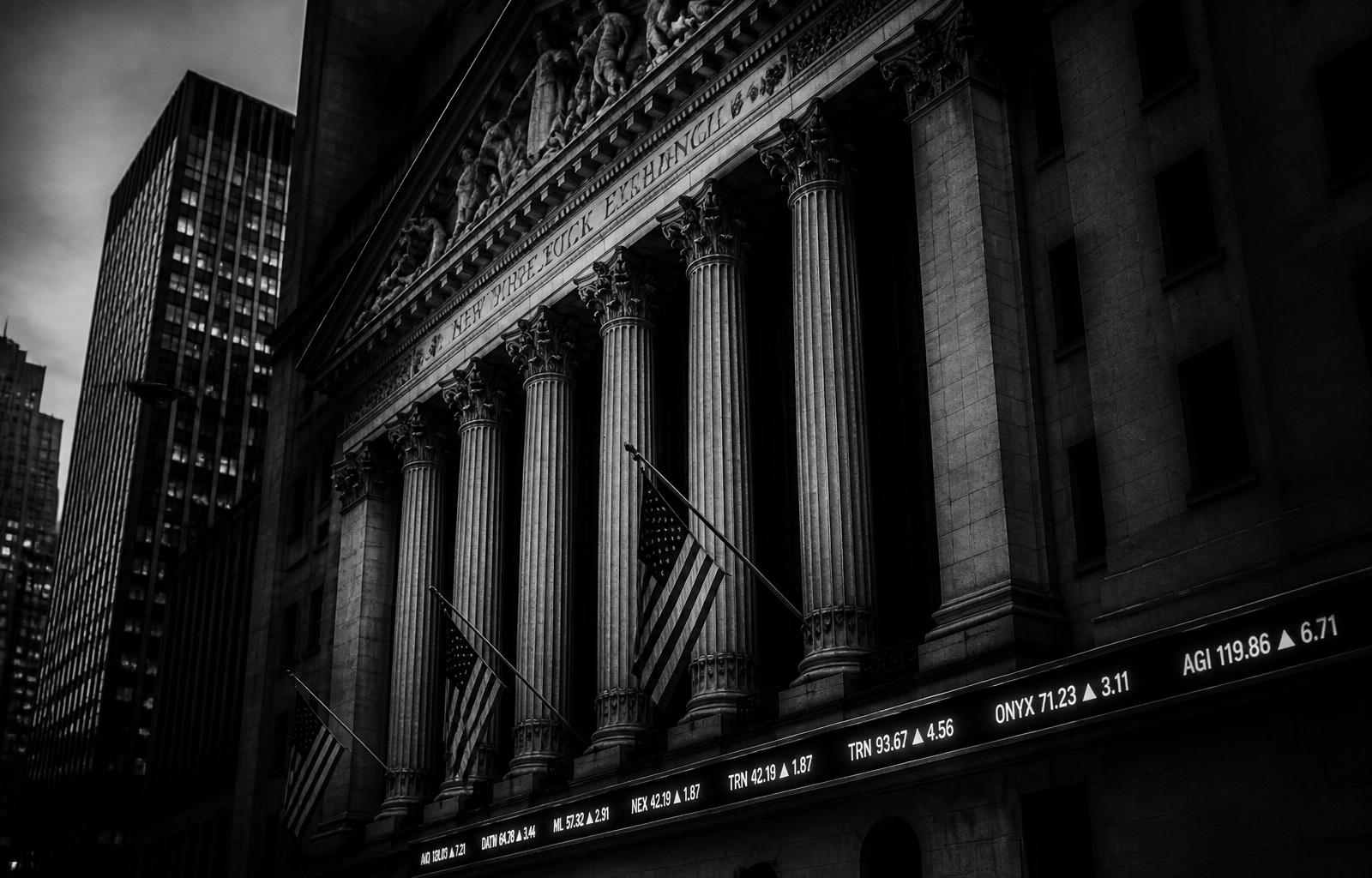
“Both companies filed confidentially for what could become the largest technology stock market debut in history. As the second half of 2026 unfolds, public markets are asking harder questions than private investors ever did.”
Both companies filed confidentially for what could become the largest technology stock market debut in history, within days of each other. But as the second half of 2026 unfolds, the two AI labs racing toward Wall Street are discovering that public markets ask harder questions than private investors ever did — and at least one of them may already be getting cold feet.
A Filing Race Nobody Was Supposed to Notice — Except Everyone Did
On 22 May 2026, OpenAI confidentially filed an S-1 registration statement with the SEC, targeting a public listing as early as September 2026, at a valuation range between $852 billion and $1 trillion, with Goldman Sachs, Morgan Stanley, and JPMorgan leading the deal. The filing came just two days after a jury dismissed a lawsuit brought by Elon Musk against OpenAI over its transition from nonprofit to for-profit structure.
Anthropic had filed its own confidential S-1 just days earlier, on 1 June 2026, at a reported valuation of $965 billion — turning two separate corporate finance stories into a genuine race narrative between two companies built by former colleagues.
The Numbers Behind the Ambition
OpenAI's financial picture is a study in contrasts. The company was generating close to $6 billion in revenue in Q1 2026 alone, on a roughly $25 billion annualised run rate, with more than 230 million weekly active ChatGPT users. Set against that: OpenAI has reportedly been losing $1.22 for every dollar of revenue, and has committed to roughly $50 billion in computing infrastructure spending in 2026 alone — including a $38 billion, seven-year deal with Amazon Web Services and a $300 billion, five-year commitment to Oracle. The company's own projections reportedly do not anticipate profitability until around 2030.
In March 2026, OpenAI closed what was at the time the largest private financing round in Silicon Valley history — $122 billion, at an $852 billion post-money valuation.
Anthropic's Parallel Track
Anthropic is projecting to more than double, potentially nearly triple, its annualised revenue run rate to around $26 billion, with more than 300,000 business and enterprise customers already on its books. The company was valued at $183 billion in a funding round involving Microsoft and Nvidia, who together committed up to $15 billion — before the reported $965 billion IPO filing valuation marked a dramatic further escalation. Both companies retained the same law firm, Wilson Sonsini, which has previously guided IPOs for Google, LinkedIn, and Lyft.
The Market Just Delivered a Reality Check
In June 2026, SpaceX completed what became the actual largest IPO in history, pricing at $135 per share for a roughly $1.77 trillion valuation and raising approximately $86 billion, briefly pushing SpaceX's market value past $2 trillion. That listing reset the entire reference frame for a 2026 tech IPO — and appears to have complicated OpenAI's own path forward.
Later reporting indicated OpenAI may now be leaning toward delaying its own listing into 2027, with CFO Sarah Friar reportedly eyeing a 2027 debut instead, and CEO Sam Altman reportedly describing any valuation below $1 trillion as a "non-starter." Prediction markets have since repriced the odds: one platform put the probability of an OpenAI listing occurring within 2026 at around 54%.
Why Public Markets Are a Different Test Than Private Ones
Private investors writing into OpenAI and Anthropic have been willing to underwrite years of continued heavy losses in exchange for a stake in category-defining companies. Public market investors have historically demanded much clearer visibility into a path to profitability — a bar that OpenAI's own disclosed projections may make considerably harder to clear during a roadshow than during private negotiations.
Analysts have framed this as the central unresolved question: whether public investors are genuinely willing to underwrite trillion-dollar AI infrastructure narratives at the scale both companies' founders have been negotiating in private, or whether the discipline of public market scrutiny will force a materially different valuation outcome.
What This Could Mean for Ireland
Both OpenAI and Anthropic maintain significant operations in Ireland — OpenAI has been actively hiring in Dublin and searching for a European headquarters office capable of housing more than 400 staff. A successful IPO at anything close to the reported target valuations would substantially strengthen both companies' capital position for continued European expansion, potentially accelerating hiring and infrastructure investment in Ireland specifically. Conversely, a delayed or scaled-back listing could introduce genuine uncertainty into the pace of AI infrastructure investment that Ireland's IDA-courted tech sector has increasingly come to expect. Irish pension funds and institutional investors are likely to face direct decisions about whether to participate, should either listing eventually proceed.
The Bottom Line
OpenAI and Anthropic's parallel, near-simultaneous moves toward what could become the two largest technology IPOs ever attempted mark a genuine watershed moment for the AI industry — the point at which the sector's private-market enthusiasm gets tested against the harder discipline of public shareholders. SpaceX's own record-breaking debut proved public investors will underwrite audacious, capital-intensive technology narratives at extraordinary scale when they believe deeply enough. Whether OpenAI and Anthropic can convince public markets to extend that same belief to companies still losing more than a dollar for every dollar earned, with profitability stretching toward the end of the decade, remains the defining open question of the AI industry's next chapter.
AI & Innovation Pulse is an independent Irish digital title covering artificial intelligence and innovation. Every piece is written in-house, editorially independent, and verified.