Ireland’s Next Decade of Data Centre Investment Depends on Three Things That Haven’t Been Solved Yet
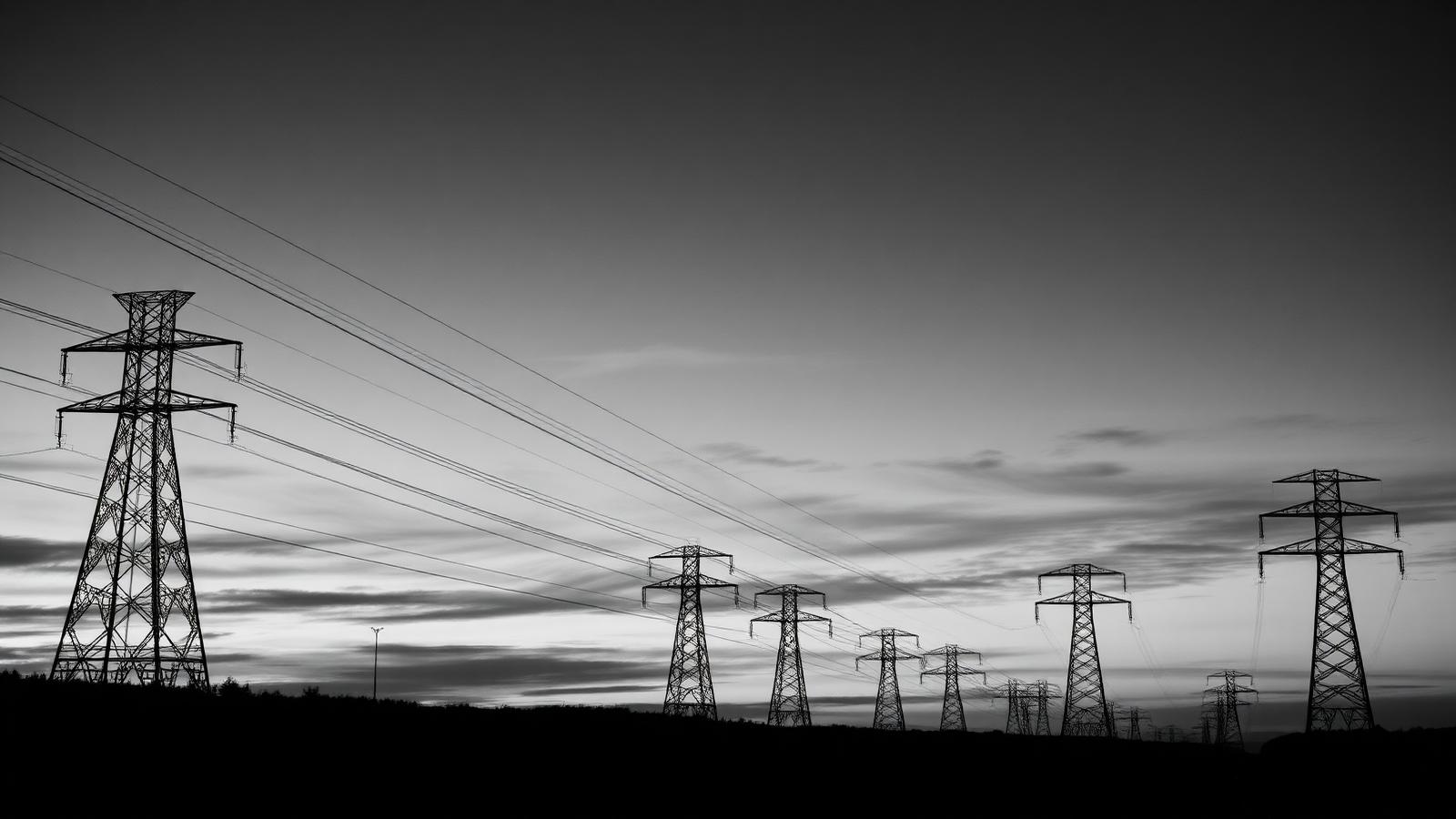
“Ireland’s data centre sector is projected to keep growing through 2031 regardless of how the current hyperscaler pivot plays out. But the shape of that growth — where it lands, who builds it, and how much of the current AI investment boom Ireland actually captures — depends on three specific, unresolved questions that will define the sector’s next decade.”
Ireland’s data centre sector is projected to keep growing through 2031 regardless of how the current hyperscaler pivot plays out. But the shape of that growth — where it lands, who builds it, and how much of the current AI investment boom Ireland actually captures — depends on three specific, unresolved questions that will define the sector’s next decade.
The Baseline Growth Is Not in Doubt
Even accounting for recent hyperscaler caution around Dublin, independent market analysis remains broadly confident Ireland’s data centre sector will continue expanding through the decade. One estimate puts the Irish market at $2.99 billion in 2025, growing to $4.04 billion by 2031. A colocation-specific analysis projects growth from roughly $1.65 billion in 2026 to $2.81 billion by 2030. The consistent theme: growth continues, but increasingly outside Dublin, with Cork and Limerick as the clearest beneficiaries.
Dublin, which commanded close to 90% of Ireland’s installed capacity in 2025, is expected to see its share of new growth shrink relative to the “Rest of Ireland” category, projected to expand at a faster compound annual growth rate through 2031.
Question One: Can the Grid Actually Deliver in Time?
The single largest variable is whether committed grid investment can be delivered fast enough. The €18.9 billion national grid package through 2030 is designed to expand capacity — but EirGrid’s February 2026 adequacy assessment warns demand will exceed supply during peak periods across 2026-2028, meaning the tightest years will likely arrive before the bulk of that investment is complete. As of 2024, natural gas still accounted for 42% of Ireland’s electricity generation, underlining how much renewable capacity still needs to be built in parallel with new data centre connections.
The Large Energy User Action Plan, published January 2026, promotes “green energy parks” where data centres co-locate directly alongside renewable generation. Whether this model can be delivered ahead of the 2026-2028 crunch is likely the clearest determinant of how much new investment Ireland can realistically host.
Question Two: Can Planning Keep Pace With Capital?
The second variable is institutional: whether Ireland’s planning and legal system can process applications quickly enough to stay competitive. The stalled €1 billion Westmeath campus — now facing ten third-party appeals — illustrates the practical scale of this risk, as does an active High Court challenge to the CRU’s own connection policy. The Irish Data Centre Supplier Alliance has been explicit in calling on Government to address appeals-stage delays, warning that without faster resolution, project timelines risk stalling in ways that cost Ireland investment to faster-moving competitors.
This isn’t uniquely Irish — Amsterdam and Frankfurt have imposed comparable restrictions — but the combination facing Ireland is arguably more acute given how heavily the economy depends on this sector.
Question Three: Can Public Trust Be Rebuilt Around a New Model?
The third, hardest variable is public sentiment. DC Byte states plainly that “public sentiment towards data centres is strongly negative, making Government support politically sensitive” — reflected directly in the 55 submissions opposing the original Westmeath application. This isn’t a messaging problem; it reflects genuine concern about electricity costs, carbon budget compliance, and the network charging disparity between household and data centre rates.
The CRU’s new model — requiring data centres to actively contribute to grid stability — is a genuine attempt to reframe them as active grid assets rather than pure consumers, a shift some stakeholders call “potentially trailblazing.” Whether it shifts public sentiment will determine whether Ireland’s planning system becomes measurably faster or continues generating the uncertainty visible in cases like Westmeath.
What This Could Mean for Ireland
These three unresolved questions will collectively determine whether Ireland captures a proportionate share of the largest technology infrastructure investment cycle in history, or watches a meaningful portion redirect toward the Nordics and other markets. Ireland’s underlying advantages remain genuinely strong, but increasingly function as a floor rather than a guarantee — securing continued baseline presence without necessarily securing the next wave of growth investment. The regional shift toward Cork, Limerick, and other secondary locations represents Ireland’s most likely practical path to capturing continued growth, provided reforms reach those regions with genuine speed.
The Bottom Line
Ireland’s data centre sector is not facing an existential threat — every credible forecast still shows continued growth through 2031, and the country’s fundamental advantages remain intact. But the shape and scale of that growth now depends on three genuinely open questions: whether grid investment lands before the 2026-2028 crunch, whether planning can deliver certainty fast enough to compete, and whether public trust can be rebuilt case by case. How Ireland answers these over the next two to three years will determine whether its next decade of data centre investment looks like continued leadership, or a gradual, managed decline relative to faster-moving European competitors.
AI & Innovation Pulse is an independent Irish digital title covering artificial intelligence and innovation. Every piece is written in-house, editorially independent, and verified.